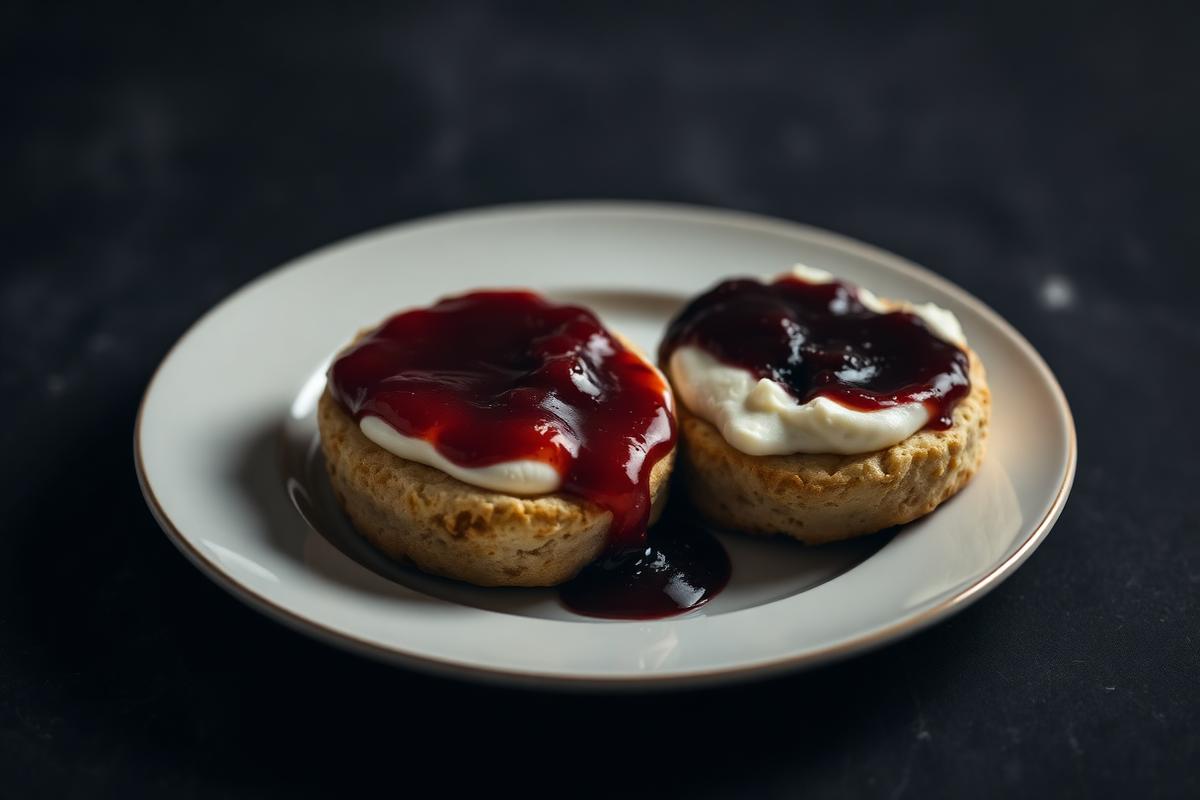
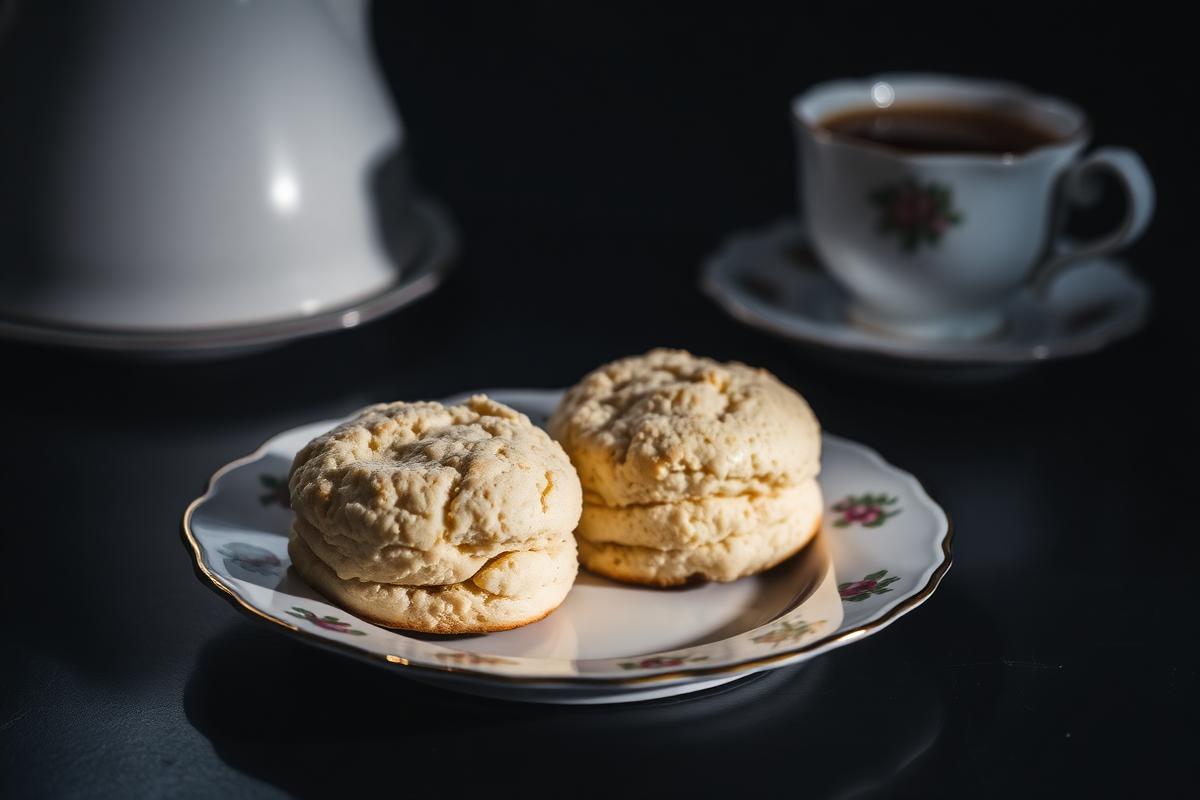
🟩 Team Dinner
The evening meal is dinner. It is the most widely understood term across Britain, it works in restaurants and invitations without explanation, and it avoids confusing a meal with a drink.
⚖️ Landmark argument
Two sides entered. Only one leaves right.
🟩 Team Dinner
The evening meal is dinner. It is the most widely understood term across Britain, it works in restaurants and invitations without explanation, and it avoids confusing a meal with a drink.
versus
🟥 Team Tea
The evening meal is tea. Millions of people across northern England and elsewhere have used the word all their lives, and calling that usage incorrect turns a regional habit into a class judgment.
Free · No sign-up · Instant verdict
Nothing to type. Both sides are already before the Court.
Few British questions reveal where somebody grew up as efficiently as asking what they call the meal eaten at the end of the working day. To one household it is obviously dinner. To another it has always been tea, and changing the word would feel faintly ridiculous.
The argument survives because both sides are correct in ordinary usage. The Court is therefore not deciding what a dictionary permits. It is deciding whether one term deserves to be treated as the national default.
Dinner is the safer word when speaking to somebody whose household habits you do not know. Nobody invited to dinner expects only a mug and a biscuit.
It is also the term used most naturally by restaurants, booking systems and formal invitations for the main evening meal.
A national default should be the word that travels best, even if regional alternatives remain perfectly valid at home.
Tea is not an eccentric minority usage. In large parts of England it is the ordinary, unmarked word for the evening meal.
Context does the work. 'What's for tea?' is not normally interpreted as a request for Earl Grey, any more than 'school dinner' requires candles and a wine list.
Language belongs to the people using it. A term does not become wrong merely because another region prefers something else.
Large-scale YouGov analysis found a clear geographical split: dinner dominates much of southern England, while tea is stronger across many northern counties.
That pattern explains why this argument feels personal. The word often arrives from family and place long before anybody thinks to compare it with somebody else's usage.
The Court therefore treats this as a regional-language case rather than a question with a factual right answer.
Team Dinner is right
Dinner wins the national form; tea keeps regional sovereignty.
The Court finds that dinner is the most portable term. It is understood across regions and in both formal and informal settings with the least risk of confusion.
That does not make tea wrong. The regional evidence is too strong for any ruling that pretends Britain speaks with one voice on this point.
This is therefore a narrow victory for national default, not an eviction notice for northern vocabulary.
Team Tea may continue asking what is for tea without correction. Team Dinner is forbidden from looking pleased with itself when visiting Yorkshire.
This case has already been heard. Press the button above for the reveal, or read the judgment here.
Team Tea is right
Regional authenticity triumphs over linguistic standardization
While Team Dinner correctly identifies their term as the standard for formal settings, Team Tea successfully argues that language is a reflection of regional identity rather than a rigid set of rules. The Tribunal finds that calling the evening meal 'tea' is a perfectly coherent linguistic convention for millions, and penalizing it favors social class over actual communication. Consequently, a term that carries both the meal and the cultural heritage of half the country cannot be dismissed as incorrect.
Confidence 58%
Team Dinner may take solace in the fact that no one has ever been invited to a 'Black Tie Tea'.
Both sides state their case in full. The Tribunal separates matters of fact from matters of taste, weighs the arguments, and returns a single verdict with a confidence rating.
Settle an argument